Expert Immigration Lawyer: Chart Your Path to U.S. Residency With Confidence
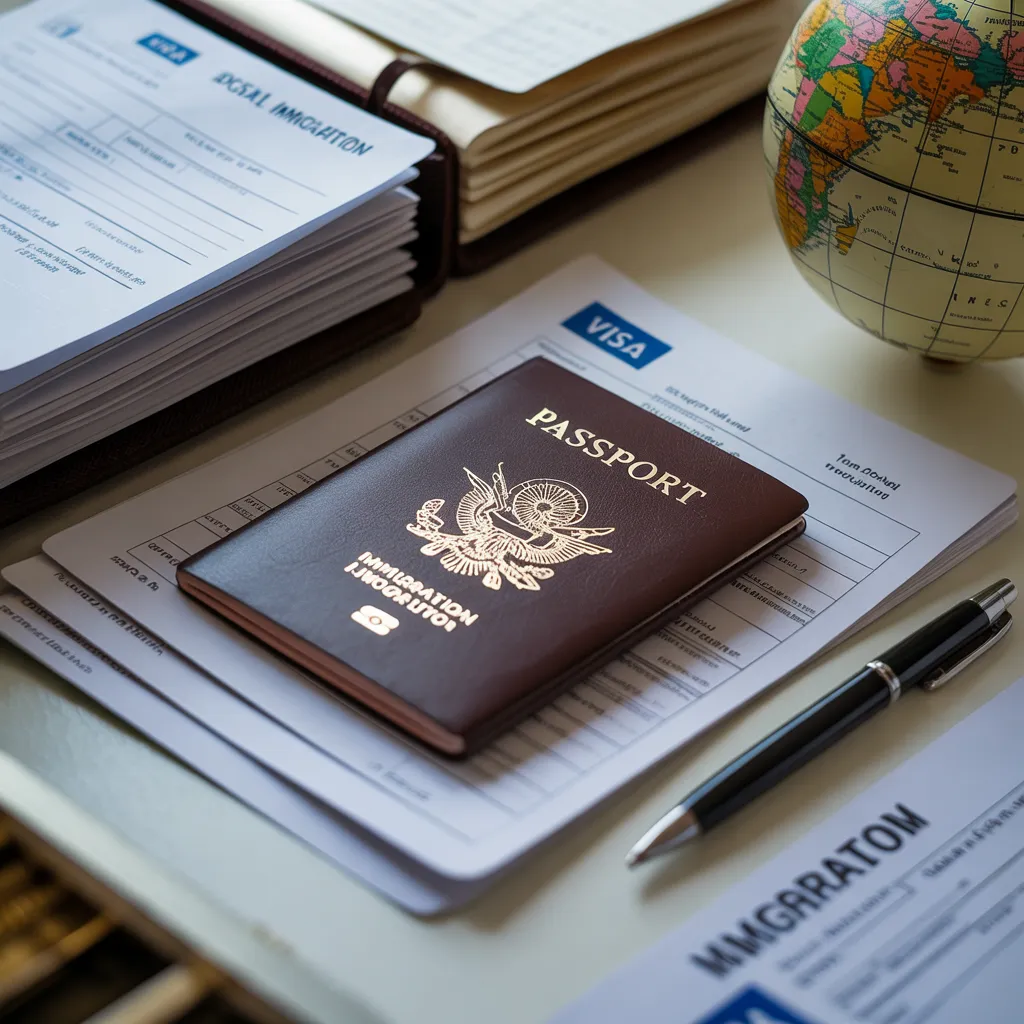
Traversing the U.S. immigration process can be disconcerting. An adept immigration lawyer provides instrumental support in easing this journey. They inspect individual cases and personalize strategies to accommodate unique needs. From preparing essential documents to championing clients in hearings, their expertise is vital. Understanding the specifics of immigration law can shape outcomes. Yet, many still experience challenges in selecting the right representation. What key factors should one deliberate on in this decision?
Learning About the Part of an Immigration Law Advocate
An immigration lawyer plays an essential role in traversing the intricate terrain of immigration law. They offer invaluable guidance to individuals maneuvering through the complicated procedures related to obtaining visas, permanent residency, or citizenship. By understanding both federal and state regulations, these legal professionals assist clients in preventing common pitfalls and guarantee compliance with immigration laws.
Immigration lawyers assess specific situations, tailoring strategies to address specific needs. They prepare and file required paperwork, advocate for clients in proceedings, and communicate with immigration authorities on their account. This advocacy is essential, particularly in situations involving deportation or legal challenges.
Moreover, immigration legal professionals keep abreast of shifts in legislation and policy, which can greatly affect their clients' filings. Their expertise not only accelerates the immigration process but also creates confidence in clients, enabling them to concentrate on their new lives in a foreign country.
Common Immigration Pathways: Employment Permits, Family Support, and Green Cards
Within the realm of migration, various routes exist for persons intent on to build their futures in a new country. Work visas present job opportunities, while family sponsorship options enable family reunification with dear ones. Furthermore, the pathway to obtaining a copyright provides a more enduring resolution for those desiring to make their home long-term.
Varieties of Work Visas
Understanding the types of employment visas is crucial for applicants pursuing employment opportunities in a foreign country. In the United States, several categories are available, each designed for specific purposes and qualifications. The H-1B visa, to illustrate, permits employers to provisionally employ foreign workers in specialty occupations. By contrast, the L-1 visa supports intra-company transfers for employees of multinational companies. The O-1 visa addresses to individuals with extraordinary ability in their fields, while the TN visa is specifically for Canadian and Mexican citizens under the USMCA. In addition, the E-2 visa extends opportunities for investors and their employees. Each visa type has unique requirements and application processes, making it vital for prospective applicants to understand their options in full.
Family Support Alternatives
manage complexities and assure compliance with immigration laws, finally facilitating family reunion in the U.S.
Journey Toward copyright
Uncovering the route to copyright involves various immigration choices, such as work visas and family-based petitions. Work-related permanent residency generally necessitate a employment offer from a U.S. employer and may necessitate labor certification to prove no suitable U.S. workers are obtainable. Alternatively, family-based immigration allows U.S. nationals and lawful permanent residents to apply for their family members, with priority given to immediate family members. Additionally, specific humanitarian programs, such as asylum or refugee designation, provide pathways for obtaining a copyright card. Each pathway contains particular qualification requirements and application processes, necessitating thoughtful evaluation and often professional counsel. Understanding the various pathways empowers individuals to traverse the intricacies of U.S. immigration law successfully.
What You Can Expect During Your Relocation Journey
Navigating the immigration process can often be a complex and challenging process. Individuals should anticipate multiple stages, each demanding careful planning and meticulous focus. Initially, applicants will collect necessary documentation, such as identification, financial records, and proof of relationships or employment.
After applications have been lodged, applicants may experience a waiting period, during which their cases are dealt with by immigration authorities. This phase can vary in duration based on the nature of visa or residency status applied for.
Interviews remain a key component, where applicants must lay out their circumstances in person. During this stage, questions relating to their background, intentions, and eligibility are common.
Throughout the process, candidates should stay apprised about any modifications or demands from immigration bodies. Persistence and attention to detail are vital, as the undertaking can present unexpected hurdles. Comprehending these aspects can enable individuals traverse their course with enhanced confidence and lucidity.
Essential Reasons Why You Should Retain an Immigration Counsel for Your Case
Managing the complexities of immigration can be intimidating, making the guidance of an immigration lawyer a crucial resource. First and foremost, immigration lawyers exhibit comprehensive understanding of the intricate laws and regulations governing U.S. immigration. This expertise allows them to handle potential pitfalls that applicants might disregard.
Furthermore, an immigration lawyer can provide personalized legal advice adapted for individual situations, ensuring that clients make informed decisions throughout the procedure. They can also help with the preparation of vital paperwork, minimizing the likelihood of errors that could result in delays or denials.
Furthermore, lawyers can skillfully advocate for clients during meetings and proceedings, protecting their legal protections and concerns. Their experience in dealing with government agencies can enable better dialogue and potentially expedite cases. Ultimately, hiring an immigration attorney can enhance the chances of a positive result, providing reassurance during a difficult process.
Discovering the Ideal Immigration Counsel Matched to You
Selecting the right immigration lawyer is essential for navigating intricate legal procedures. It is important to take into account the lawyer's qualifications and background, as well as their specialization in immigration law. These factors can significantly impact the result of your case and ensure strong advocacy.
Professional Standing and Background
Deciding on an immigration lawyer calls for detailed review of their background and experience. Those looking for legal help should find lawyers who have a Juris Doctor (JD) degree from an accredited law school and are licensed to practice in their state. Being a member of professional associations, including the American Immigration Lawyers Association (AILA), reflects a commitment to staying informed about immigration law. Having experience with cases like one’s own is crucial; this involves knowledge of particular visa categories and procedures. In addition, positive client testimonials along with a reliable history of favorable outcomes serve to validate a lawyer’s expertise. Ultimately, deep research into a lawyer’s background supports informed decisions within the complex immigration arena.
Dedicated Expertise in Immigration Law
Finding the right immigration lawyer often relies on their specialization in immigration law. Immigration law is intricate and constantly changing, requiring attorneys to stay updated on regulations and policies. A lawyer specializing in immigration can provide tailored advice and strategies geared toward individual needs, whether it involves family-based visas, employment sponsorship, or asylum applications. This expertise guarantees the lawyer is well-versed in nuances that could greatly affect a case's outcome. Additionally, specialized lawyers often have strong relationships with immigration officials, improving communication and efficiency. Clients should seek attorneys with a demonstrated history in their specific area of need, ensuring they receive knowledgeable guidance and effective representation throughout the immigration process. This targeted method is essential for maneuvering the often difficult U.S. immigration landscape.
Asserting Your Rights: Questions to Bring to Your Immigration Lawyer?
How can individuals guarantee they are adequately ready for consultations with their immigration lawyer? One effective strategy is to create a list of relevant questions that address their unique circumstances. Key inquiries might include: "What are my options for obtaining residency?" and "What potential challenges should I anticipate in my case?" Clients should also ask about the lawyer's expertise with similar cases and the anticipated timeline for their application process.
In addition, it is essential to understand the expenses at hand. Questions along the lines of, "What are your rates, and are there any additional expenses I should be informed about?" can elucidate financial expectations. Individuals should also inquire about interaction preferences, such as how often they can expect communication and the most insightful guide suitable ways to reach their lawyer. By asking these inquiries, individuals arm themselves with understanding, ensuring a more productive collaboration with their immigration legal counsel.
Frequently Asked Questions
How much time does the copyright procedure typically require?
The copyright procedure typically requires several months to years, based on the category of visa, individual circumstances, and speed of processing. Elements such as how thoroughly your application is filled out and background checks can significantly impact the total length of time.
What Represent the Charges Connected to Engaging an Immigration Legal Professional?
The costs associated with hiring an immigration lawyer typically fall between $100 to $500 per hour, based on expertise and location. Additional fees may comprise application costs, submission fees, and potential deposits for comprehensive services.
Can I Apply for copyright Without a Attorney?
Yes, individuals can apply for residency without a legal professional. However, working through the legal complexities and maintaining accurate records may prove problematic, increasing the likelihood of holdups or rejections in the application process.
What Occurs if My Request Gets Rejected?
If an application is turned down, the person applying obtains a notice detailing the reasons. They may appeal the decision or try again, addressing the issues brought up. Getting professional legal advice can make clear possibilities and strengthen future applications.
Are There Any Travel Limitations During the Application Procedure?
Travel guidelines during the application timeline vary based on case-by-case situations. Applicants should generally avoid international travel, as traveling outside the United States may worsen their status and harm their pending application for residency.